
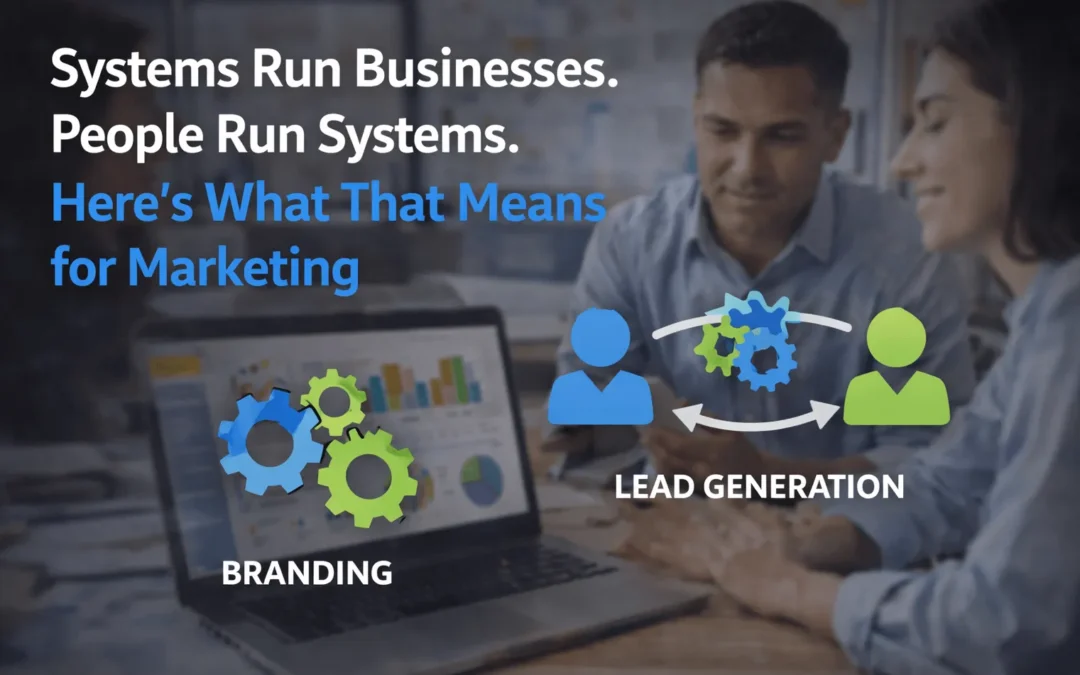
Understanding the Relationship Between Systems and Businesses
Every successful business operates on a foundation of systems—structured processes and routines designed to streamline operations, ensure consistency, and drive scalable growth. Without effective systems, even the most innovative ideas or talented teams can falter under the weight of inefficiency and unpredictability. Systems act as the invisible framework that supports every aspect of a company’s workflow, from customer acquisition to product delivery.
However, these systems do not function in isolation. They are designed, managed, and optimized by people. It is the human element—leadership, creativity, and adaptability—that breathes life into business systems, ensuring they remain relevant and effective in a rapidly changing marketplace. When businesses recognize the symbiotic relationship between robust systems and empowered people, they position themselves for sustainable success. This understanding is especially critical for marketing, where the interplay of strategic frameworks and human ingenuity can make or break a brand’s trajectory.
The Role of People in Managing Effective Systems
Behind every successful business system lies a team of dedicated individuals who ensure its smooth operation. While systems provide the structure, consistency, and repeatability that organizations depend on, it’s the people who interpret data, make adjustments, and innovate when challenges arise. Systems are not self-sustaining—they require human oversight to function at their best. Employees bring unique insights and adaptability that empower systems to evolve in response to shifting market dynamics and customer needs.
Effective system management hinges on clear communication, ongoing training, and a culture that values continuous improvement. When people are engaged and empowered within their roles, systems become more resilient and responsive. This human element transforms routine processes into engines of growth, enabling marketing strategies to be executed with both precision and creativity. Ultimately, it’s the synergy between skilled people and robust systems that drives lasting business success and sets high-performing organizations apart.
How Systems
Systems form the essential backbone of every successful business operation, providing structure, consistency, and the ability to scale. In the context of marketing, a well-designed system ensures that campaigns are executed with precision and measurable outcomes. Rather than relying on sporadic efforts or individual intuition, businesses with robust systems leverage repeatable processes—such as automated email sequences, standardized branding guidelines, and data-driven content calendars—to maximize efficiency and maintain brand consistency across all touchpoints.
When marketing systems are thoughtfully crafted, they enable teams to focus on creativity and strategy rather than getting bogged down by routine tasks. This approach not only reduces the likelihood of errors but also allows for continuous optimization. By regularly analyzing performance metrics and refining processes, businesses can adapt swiftly to market changes and customer preferences, ensuring that their marketing efforts remain impactful and relevant. Ultimately, these systems empower people to achieve more, driving sustained growth and competitive advantage.
Automation
Automation stands at the heart of modern marketing, acting as the engine that powers efficiency and scale. By integrating automated systems into daily operations, businesses can streamline repetitive tasks, allowing marketers to focus on strategy and creativity. Automation tools manage everything from email campaigns to social media scheduling, ensuring consistent messaging and timely interactions without the need for constant human intervention.
This shift doesn’t eliminate the role of people; instead, it empowers them. With automation handling the groundwork, marketing teams gain valuable time to analyze data, refine messaging, and create more personalized experiences for their audience. Furthermore, automation systems provide real-time analytics, enabling swift adjustments to campaigns based on performance metrics. This seamless synergy between technology and human oversight not only enhances productivity but also drives more effective, data-driven decision-making. As a result, businesses can achieve higher ROI while maintaining agility in an ever-evolving marketplace.
and AI Transform Marketing Strategies
In today’s rapidly evolving digital landscape, technology and AI are reshaping the very foundation of marketing strategies. No longer confined to manual processes or gut-driven decisions, businesses now harness sophisticated automation tools, data analytics, and machine learning algorithms to gain actionable insights and streamline campaigns. This shift has ushered in an era where marketing systems are not only efficient but also deeply personalized—adapting to customer behaviors in real time.
AI-driven platforms empower marketers to predict trends, segment audiences with precision, and optimize content delivery across diverse channels. Automated workflows reduce human error and free up creative teams to focus on strategy and innovation. As a result, companies experience improved ROI, increased engagement, and stronger brand loyalty. However, the true advantage lies in integrating these technologies seamlessly with human expertise, ensuring that empathy and creativity remain at the core while systems handle the complexity and scale. This dynamic synergy sets the stage for marketing success in the digital age.
Balancing Human Creativity with Technology in Marketing
The modern marketing landscape is defined by a dynamic interplay between human ingenuity and technological advancement. While automated systems and digital platforms have revolutionized the way campaigns are executed, it is the spark of human creativity that gives marketing its distinctive edge. Machines can process data at lightning speed, analyze consumer behavior patterns, and automate routine tasks, boosting efficiency and precision. However, they cannot replicate the nuanced storytelling, emotional resonance, or cultural insight that only people bring to the table.
Striking the right balance means leveraging technology to handle repetitive processes, freeing marketers to focus on ideation, strategy, and authentic brand messaging. This synergy empowers teams to create innovative campaigns that resonate deeply with audiences while ensuring seamless execution and data-driven optimization. By integrating automation and analytics with creative thinking, businesses can achieve marketing strategies that are both scalable and memorable, ensuring lasting impact in a crowded digital world.
Best Practices for Integrating Systems and Automation in Your Business
Successful integration of systems and automation is pivotal to achieving sustainable growth and efficiency in modern businesses. By standardizing workflows and utilizing the right automation tools, companies can minimize manual errors, enhance productivity, and allocate human resources to more strategic initiatives.
Define Clear Objectives and Map Existing Processes
Begin by outlining what you wish to achieve through automation—whether it’s streamlining lead generation, improving customer response times, or optimizing internal communications. Thoroughly mapping your current processes helps identify repetitive tasks ripe for automation and ensures that new systems complement existing operations.
Choose Scalable, Flexible Tools
Select automation platforms that integrate seamlessly with your core business systems. Look for solutions that can scale as your business grows and adapt to evolving marketing strategies. Prioritize tools with robust support and customization options to future-proof your investment.
Prioritize Training and Change Management
Empowering your team to embrace new systems is just as important as the technology itself. Invest in comprehensive training and foster a culture of adaptability, ensuring that your people remain at the center of your automated processes.
A thoughtful approach to systems integration positions your business to leverage automation for both immediate gains and long-term success.